Healthy Heights at North Balgowlah Village
  • Home
    • About us
    • Contact
    • News from the Heights
    • Good Nutrition
  • Resources
  • Booking

NEWS & VIEWS

RSS Feed

April 19th, 2023

4/19/2023

1 Comment

 
1 Comment

focus on : Winter wellness

4/19/2023

0 Comments

 
Picture

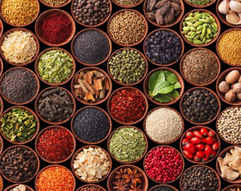
Winter is a time when many people are susceptible to colds, flu, and other respiratory illnesses. Fortunately, there are several herbs, foods and vitamins that can help boost the immune system and support overall health during the winter months.

Here are a few suggestions that may be particularly helpful:
  1. Echinacea is a popular herb that is traditionally used to boost the immune system and prevent viral infections. Some studies have suggested that echinacea may be effective against certain viruses, such as the common cold and flu viruses.
  2. Elderberry is a berry that is rich in antioxidants and is traditionally used to boost the immune system and prevent viral infections. Some studies have suggested that elderberry may be effective against certain viruses, including the influenza virus.
  3. Ginger is a warming herb that is commonly used to improve digestion and boost the immune system. It may also help alleviate symptoms of colds and flu, such as cough and sore throat.
  4. Garlic is a well-known herb that is used for its antibacterial and antifungal properties. It may also have immune-boosting effects and help alleviate symptoms of colds and flu.
  5. Licorice root is a traditional herb that is used for its anti-inflammatory and immune-boosting properties. It may also help alleviate symptoms of colds and flu, such as cough and sore throat.
  6. Thyme is an herb that is commonly used in cooking, but it also has medicinal properties. It may help alleviate symptoms of respiratory infections, such as cough and congestion.
  7. Oregano is an herb that is rich in antioxidants and has anti-inflammatory and antibacterial properties. It may also help alleviate symptoms of respiratory infections, such as cough and congestion
  8. Lemon & Ginger: Both lemon and ginger are rich in antioxidants and have anti-inflammatory properties that may help support the immune system and alleviate symptoms of respiratory infections.
  9. Turmeric contains a compound called curcumin, which has potent anti-inflammatory and antioxidant properties that may help support the immune system and reduce inflammation in the body.
  10. Elecampane is traditionally used to treat respiratory infections and may have antimicrobial and anti-inflammatory properties that may help alleviate symptoms of respiratory infections.
  11. Motherwort is traditionally used to support the cardiovascular system and may also have antiviral properties that may help fight viral infections.
  12. Marshmallow root contains compounds that may help soothe irritated mucous membranes in the respiratory tract and alleviate symptoms of coughs and sore throats.
  13. Myrrh is a resin that is traditionally used to treat infections and has been shown to have antimicrobial properties that may help fight viral infections.
  14. Berberine is a compound found in several plants, including goldenseal and Oregon grape, that has been shown to have antimicrobial and antiviral properties.
  15. Phellodendron bark contains compounds that have been shown to have antiviral and antimicrobial properties.
  16. N-acetylcysteine (NAC): NAC is a nutrient that may help reduce inflammation in the body and support the immune system.  Traditionally used to treat pneumonia.
  17. Vitamin C is an essential nutrient that has been shown to have immune-boosting properties and may help reduce the severity and duration of colds and flu.
  18. Horseradish contains compounds that may help support the immune system and alleviate symptoms of respiratory infections, such as congestion.
  19. B vitamins are essential nutrients that play a role in many physiological processes, including immune function.
  20. Zinc is an essential mineral that has been shown to have antiviral properties and may help reduce the severity and duration of colds and flu.
  21. Elderflower is traditionally used to treat respiratory infections and has antiviral and anti-inflammatory properties. A bitter cooling herb.
  22. Yarrow is traditionally used to treat respiratory infections and may has antimicrobial and anti-inflammatory properties.  A bitter cooling herb.
  23. Peppermint is traditionally used to alleviate symptoms of respiratory infections, such as cough and congestion, and its a cooling bitter herb and helps to reduce symptoms of flu and fever as well as having antimicrobial properties.
  24. Catnip: Catnip is traditionally used to treat respiratory infections and has antiviral and anti-inflammatory properties.

It is also important to talk to your healthcare provider before using any herbs or supplements, particularly if you are pregnant, nursing, or taking any medications


0 Comments

FOCUS ON: Medicinal Mushrooms - lionS MANE

4/19/2023

1 Comment

 
Picture

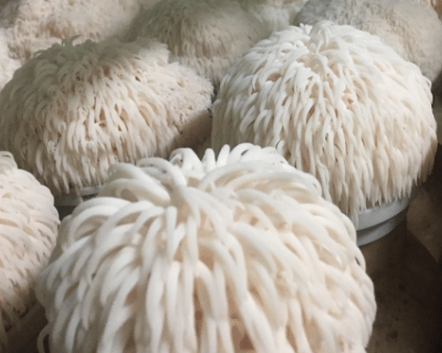
As is in the news recently.  Lion's Mane is a type of mushroom that is known for its potential health benefits. Scientifically known as Hericium erinaceus, it is an edible and medicinal mushroom that is native to Asia, Europe, and North America. It is also commonly known as the "pom pom mushroom" or "bearded tooth mushroom" due to its unique appearance, which resembles a lion's mane.


Lion's Mane mushrooms contain bioactive compounds such as beta-glucans, polysaccharides, and hericenones, which have been found to have a wide range of potential health benefits. These include boosting cognitive function and memory, reducing inflammation, improving digestive health, and supporting the immune system.
Studies have shown that Lion's Mane mushrooms may stimulate the growth of nerve cells and enhance the production of nerve growth factors, which can help protect and regenerate brain cells. This makes it a potentially promising natural remedy for neurological conditions such as Alzheimer's disease and Parkinson's disease.

Lion's Mane mushrooms are also rich in antioxidants, which can help reduce oxidative stress and inflammation in the body. This can lead to improved cardiovascular health, reduced risk of cancer, and enhanced overall immunity.

Overall, Lion's Mane mushrooms are a nutrient-dense superfood that may offer numerous potential health benefits. However, more research is needed to fully understand the mechanisms behind these benefits and to determine the optimal dosages and methods of consumption.
 
There has been growing interest in the potential health benefits of Lion's Mane mushrooms, and several studies have been conducted to investigate these claims. Here are some examples of the research on Lion's Mane:
  1. Cognitive function: Rossi, Paola, et al. "Dietary supplementation of lion’s mane medicinal mushroom, Hericium erinaceus (Agaricomycetes), and spatial memory in wild-type mice." International Journal of Medicinal Mushrooms 20.5 (2018).
  2. Dementia: Datsen, Sophia. "Lion’s mane mushroom: A fungus to remember, a novel venture into dementia therapy." (2022).
  3. Degenerative disease: Kochoni, Emeric, and Vincent Ezin. "Lion’s Mane (Hericium erinaceus)." Mushrooms: Nutraceuticals and Functional Foods(2023).
  4. Neurodegenerative diseases: Parkinsons: Kumar, Satish. "Evaluation of Hericium erinaceus (Lion’s Mane) mushroom strains on different substrates." (2022).
  5. Immune system: Panda, Sujogya Kumar, and Walter Luyten. "Medicinal mushrooms: Clinical perspective and challenges." Drug Discovery Today 27.2 (2022): 636-651.
  6. Digestive health: Tada, Hiroyuki, et al. "Hericium erinaceus ethanol extract and ergosterol exert anti-inflammatory activities by neutralizing lipopolysaccharide-induced pro-inflammatory cytokine production in human monocytes." Biochemical and biophysical research communications 636 (2022): 1-9.
  7. Cancer: Wong, Jack Ho, et al. "Mushroom extracts and compounds with suppressive action on breast cancer: Evidence from studies using cultured cancer cells, tumor-bearing animals, and clinical trials." Applied Microbiology and Biotechnology 104 (2020): 4675-4703.

Overall, these studies suggest that Lion's Mane mushrooms may have a range of potential health benefits, including improving cognitive function, protecting against neurodegenerative diseases, boosting the immune system, promoting digestive health, and potentially reducing the risk of cancer. However, more research is needed to fully understand the mechanisms behind these benefits and to determine the optimal dosages and methods of consumption.
 
How to use Lions Mane:
 
Lion's Mane mushroom can be used in a variety of ways and can be consumed on its own or combined with other supplements or foods. Here are some examples of how Lion's Mane can be used:
  1. Dietary supplement: Lion's Mane mushroom is available as a dietary supplement in the form of capsules, powders, and tinctures. It can be taken alone or combined with other supplements to enhance its potential health benefits.
  2. Coffee and tea: Lion's Mane mushroom powder can be added to coffee or tea to create a "mushroom coffee" or "mushroom tea." This can provide an energy boost and improve cognitive function.
  3. Smoothies: Lion's Mane mushroom powder can be added to smoothies to boost their nutrient content and provide potential health benefits.
  4. Recipes: Lion's Mane mushroom can be added to a variety of recipes, such as soups, stews, and stir-fries. It has a mild, nutty flavor and a firm, meaty texture that can make it a good substitute for meat in vegetarian or vegan dishes.

Other mushrooms: Lion's Mane mushroom can be combined with other mushrooms, such as Reishi, Chaga, and Cordyceps, to create a blend of mushrooms with potential health benefits. This blend is sometimes referred to as a "mushroom complex" or "adaptogenic mushroom blend."

We recommend adding one scoop of powdered Lion's Mane Powder Mix into your favorite mug and mixing with hot water or a non-dairy milk, before adding in your morning tea or coffee to start your day with purpose and focus.

Overall, Lion's Mane mushroom can be used in many different ways to provide potential health benefits. It is important to follow the recommended dosage and consult with a healthcare professional before taking any supplements.

MAKE A SHAKE : Blueberries, beets and a brain boost, great for students.
INGREDIENTS
  •  1 banana
  •  ½ cup beetroot powder
  • 1 cup frozen blueberries
  • Scoop of Cacao
  • 1-2 tsp Lions Mane Powder
  • Acai (frozen or powder)
  • Tbsp of MCT
  • 1 cup non-dairy milk

PREPARATION
Mix all ingredients in a blender, blend until smooth!
 
 
Compiled by Maxine White April 2023 for educational purposes only
 
​
1 Comment

    AuthorS

    Notes from the team: 

    Archives

    October 2024
    April 2023
    April 2021
    August 2020
    May 2020
    April 2020
    February 2020
    January 2020

    RSS Feed

    View my profile on LinkedIn
DISCLAIMER: All content and media on the this Website is created and published online for informational purposes only. It is not intended to be a substitute for professional medical advice and should not be relied on as health or personal advice.  Always seek the guidance of your doctor or other qualified health professional with any questions you may have regarding your health or a medical condition. Never disregard the advice of a medical professional, or delay in seeking it because of something you have read on this Website.  If you think you may have a medical emergency, call your doctor, go to the nearest hospital emergency department, or call the emergency services immediately. 
Website created by Mx copyright 2020
  • Home
    • About us
    • Contact
    • News from the Heights
    • Good Nutrition
  • Resources
  • Booking